— Tu dizes que queres e parece que não, eu digo que não e parece que quero.

Hoje em dia já ninguém lá vai, aquilo está cheio de gente
Artigos etiquetados “o amor é lindo”
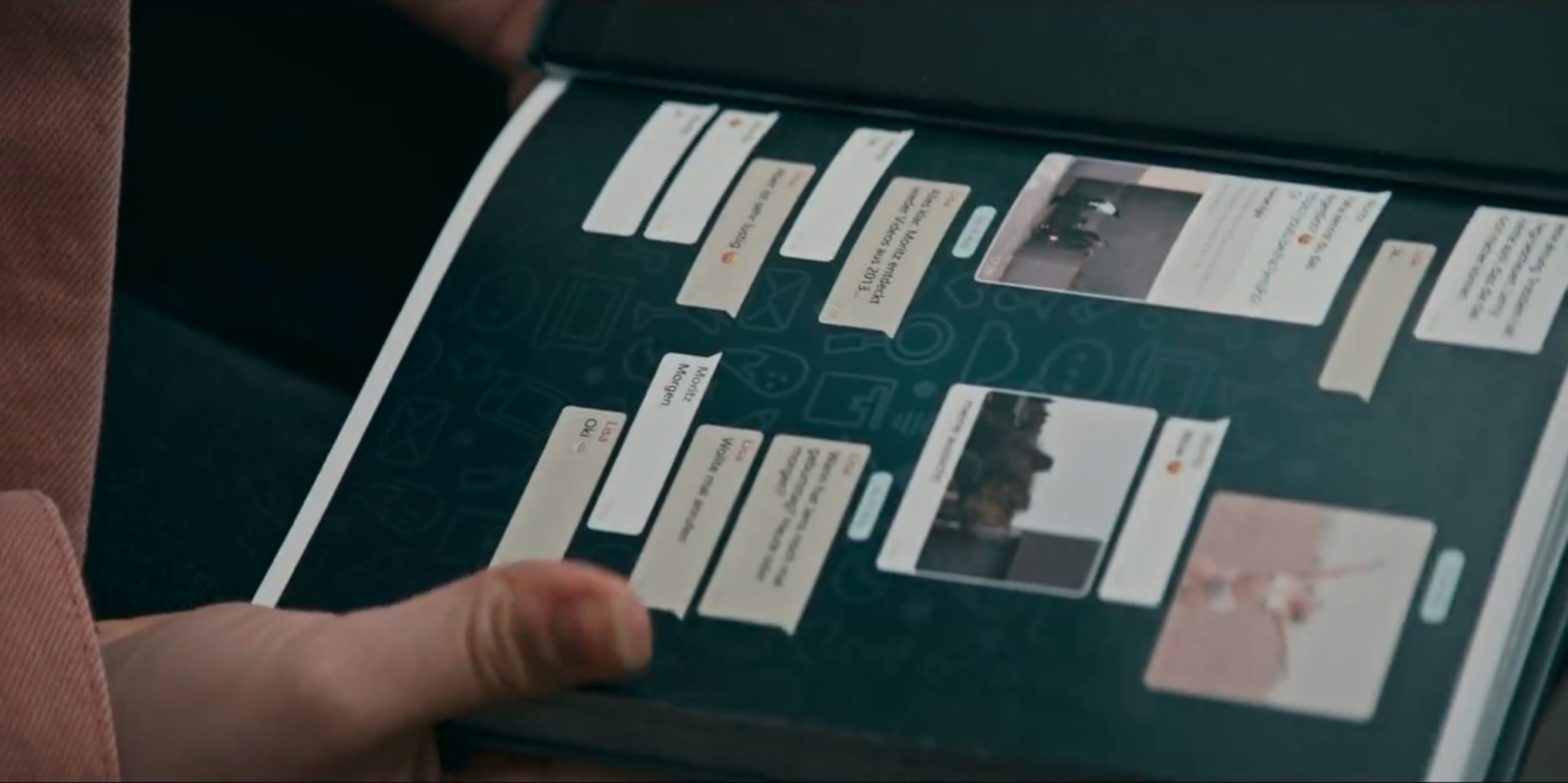

Sexto episódio da primeira temporada de How to Sell Drugs Online (Fast) (2019), criado por Philipp Kässbohrer e Matthias Murmann.
In its malignant forms, it is a defense mechanism in which the ego defends itself against disowned and highly negative parts of the self by denying their existence in themselves and attributing them to others, breeding misunderstanding and causing untold interpersonal damage.
As relações actuais podem ser descritas como banksying, benching, breadcrumbing, catch and release, catfishing, cloaking, cricketing, cuffing, curving, cushioning, fishing, firedooring, flexting, gaslighting, ghosting, ghostbusting, gatsbying, haunting, hoovering, kittenfishing, love bombing, negging, orbiting, phubbing, pocketing, roaching, submarining, tindstagraming, throning, zumping e zombieing.
Algumas sempre existiram, outras são fenómenos recentes, como o zumping, que surgiu com o vírus. Mesmo evitando conhecimentos via “redes sociais” ao ponto de nunca ter tido, já levei pelo menos com o banksying, catfishing de certeza absoluta ou na melhor das hipóteses kittenfishing, firedooring, ghosting, orbiting… O pior de longe é o catfishing/kittenfishing, que é as pessoas não mostrarem aquilo que são, adaptarem as suas actividades às minhas, os gostos aos meus… Tudo falso. Acho que foi o Pedro Mexia que disse que nunca foi tão humilhado como quando julgava que já sabia tudo. É bem verdade. O orbiting tem duas facetas, conheci quem cultivasse satélites e gostasse, porque a miséria é integral e a idade não perdoa.
“Here. Eat some citrus fruit,” he said. “It’s good for what ails you.”
“Nothing ails me,” I said. “This is just the way I am.”
“Did you run away from the woman or did the woman run away from you?” he asked.
“Both,” I said. “Everything.”
—Larry McMurtry, All My Friends Are Going to Be Strangers, Liveright, 2018 (1972)